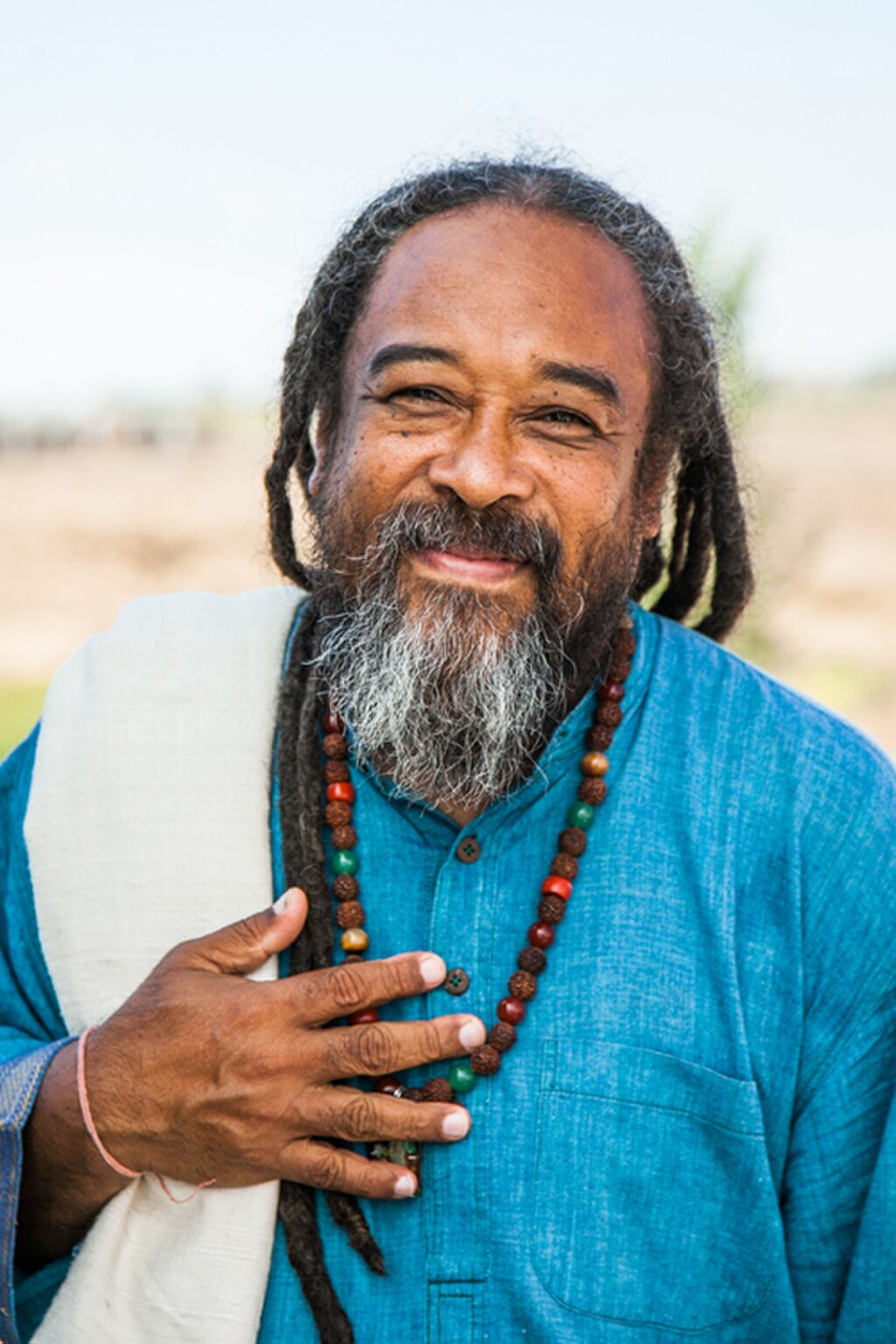
The Healing Power of Recognition
In the profound words of Mooji, "Identification is the cause. Recognition is the cure." This statement encapsulates a fundamental aspect of the human experience: our tendency to become entangled in our identities, leading to suffering and confusion. By understanding the distinction between identification and recognition, we can begin to unravel the layers of our conditioned selves and move toward a more authentic existence. The stakes are high, as this journey toward recognition not only liberates us from our self-imposed limitations but also opens the door to deeper spiritual understanding and connection.
At its core, Mooji's quote invites us to examine the nature of our existence and the narratives we construct around ourselves. Identification refers to the way we cling to labels, roles, and stories that define who we think we are. In contrast, recognition is the awakening to our true nature, a realization that transcends these superficial identities. This distinction is crucial, as it highlights the transformative potential of recognizing our essence beyond the confines of ego and societal expectations. The journey from identification to recognition is not merely an intellectual exercise; it is a profound shift in consciousness that can lead to healing and liberation.
The image / the metaphor
To unpack Mooji's quote, we must first consider the imagery it evokes. The word "identification" conjures a sense of entrapment, as if we are ensnared in a web of our own making. It suggests a clinging to the transient aspects of our lives—our thoughts, emotions, and experiences—while "recognition" offers a contrasting image of clarity and freedom. The verbs chosen here are significant; identification implies an active engagement with the false self, while recognition suggests a passive yet profound awakening to what has always been present. This felt sense of movement from bondage to liberation is at the heart of Mooji's teaching.
Diving deeper into the metaphor, we can see that identification is akin to wearing a mask, one that obscures our true face. Each mask represents a different role we play—parent, professional, friend—yet behind these masks lies the essence of our being, untouched by the external world. Recognition, then, is the act of peeling away these layers, revealing the radiant core of our existence. This process can be likened to the unfolding of a flower, where the petals of identification fall away to reveal the beauty of the inner bloom. In this way, Mooji's quote serves as both a diagnosis of our spiritual malaise and a prescription for healing.
In the speaker's tradition
Mooji's teachings are deeply rooted in the non-dual tradition, which emphasizes the oneness of existence and the illusory nature of separation. Concepts such as *sunyata* (emptiness) and *fana* (annihilation of the self) resonate with the essence of his message. In this context, identification represents the false sense of self that arises from attachment to form, while recognition aligns with the understanding of our true nature as boundless awareness. This journey from identification to recognition is not merely a personal endeavor; it is a collective awakening to the interconnectedness of all beings.
In the *Upanishads*, a foundational text in the non-dual tradition, we find the teaching that "Tat Tvam Asi," or "That Thou Art." This phrase encapsulates the essence of recognition, inviting us to see ourselves as inseparable from the divine source. Just as Mooji articulates the transition from identification to recognition, the *Upanishads* guide us toward the realization that our true identity transcends the limitations of the ego. Both teachings emphasize the importance of awakening to our inherent nature, urging us to move beyond the confines of our conditioned identities.
Living the teaching
Consider a modern scenario where this teaching can be applied: a person grappling with the pressures of their professional identity. They may feel overwhelmed by the expectations and responsibilities that come with their job title, leading to stress and anxiety. In this context, identification with their role can create a sense of disconnection from their true self. By practicing recognition—taking a step back to observe their thoughts and feelings without attachment—they can begin to disentangle their worth from their professional identity. This shift allows them to engage with their work from a place of authenticity, fostering a sense of peace and fulfillment.
Another application of Mooji's teaching can be found in relationships. Imagine a couple facing conflict, each partner entrenched in their perspectives and grievances. In this moment, identification with their roles as "right" or "wrong" can create a chasm between them. By embracing recognition, they can step back from their egos and acknowledge the shared humanity that underlies their differences. This shift fosters empathy and understanding, allowing them to reconnect on a deeper level. In daily practice, cultivating awareness through meditation or mindful communication can support this journey from identification to recognition, enriching both personal and relational experiences.
A reflection
As we contemplate Mooji's insightful words, we are invited to reflect on our own lives: In what ways do we identify with roles, beliefs, or narratives that no longer serve us? This question beckons us to explore the layers of our identities and consider how they shape our experiences. By engaging with this inquiry, we open ourselves to the possibility of recognition—a profound awakening to our true essence. In this space of contemplation, we can begin to discern the difference between who we think we are and who we truly are, paving the way for healing and transformation.



Join the BrightStar Community
Stay connected with daily inspiration, event announcements, and community wisdom